

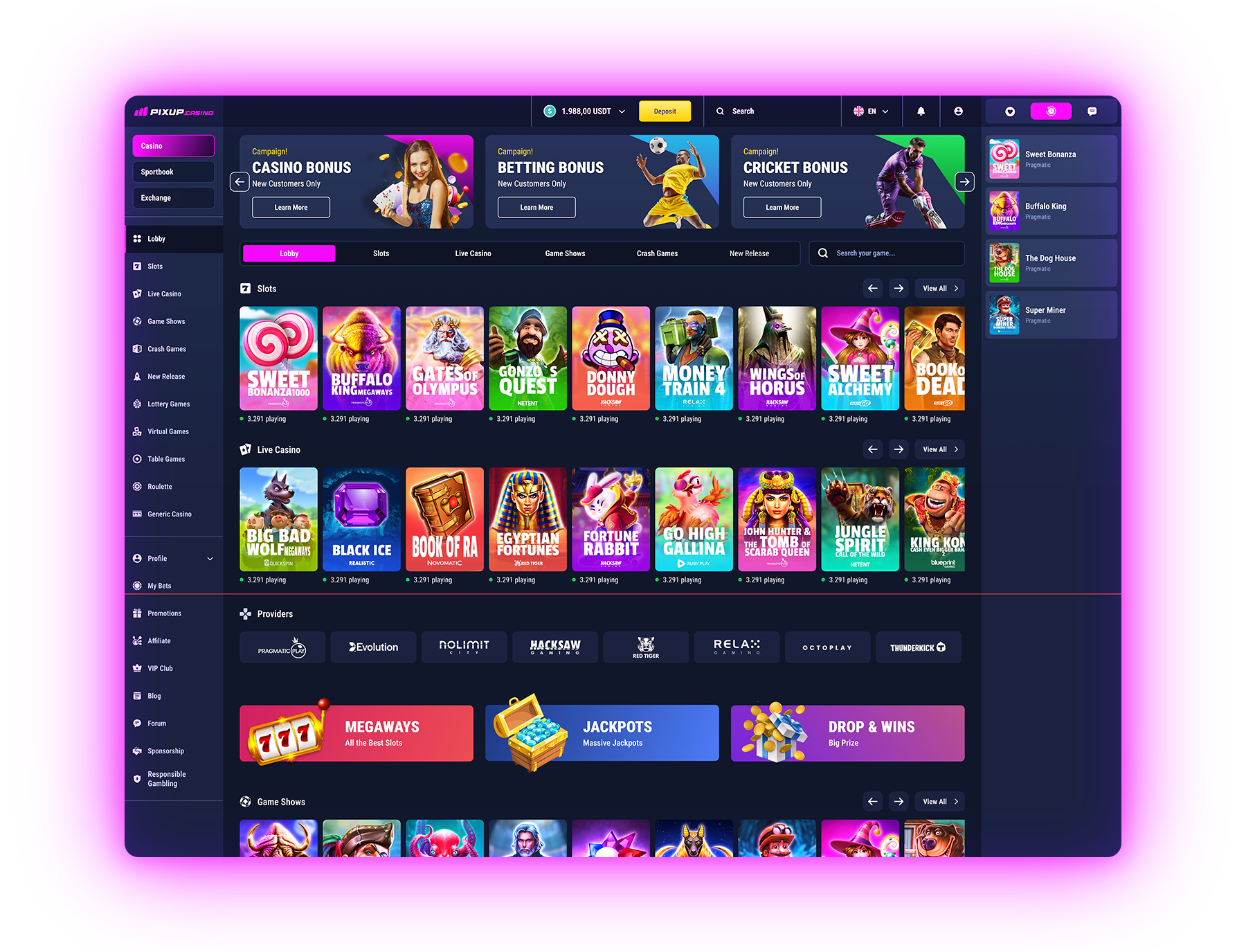
Digital casinos use the word “fairness” a lot https://flutterhallcasino.eu/. But what does it actually mean when you log in to FlutterHall Casino? Fairness checks are the regulatory and technical processes that ensure games produce random, unbiased outcomes, that operator terms stay clear, and that payouts get processed correctly. This piece explains the key areas: random number generation, return to player percentages, independent audits, licensing, data protection, and payment integrity. We provide concrete details, not marketing fluff, so you know exactly what to look for before you deposit. By the end, you will understand how to read a fairness certificate, what RTP means in practical terms, and why these checks are relevant for your long-term experience. The aim is not to promote but to explain what sits behind the platform.

Why Fairness Checks Affect UK Players
Fairness checks exist because online casino games run on software, not physical cards or wheels. When you hit spin on a slot or make a bet on a virtual table, the outcome is determined by a random number generator. Without independent verification, you have no way to know whether the software is genuinely random or biased in the operator’s favour. Audits address that issue. Testing labs perform millions of simulations to ensure that the distribution of results corresponds to the mathematical model. For UK players, fairness is also a regulatory requirement. Regulators demand operators to use certified game engines and to hold records that can be inspected. At FlutterHall Casino, you should expect the same standard: a transparent commitment to tested games, published payout rates, and clear rules on bonuses and withdrawals. We’ll come back to each area in more detail below, but the core principle is simple: fairness checks transform a vague promise into something you can measure.
Fairness checks are more than build trust. They affect how you select games and control your bankroll. A game with a 96% RTP pays back £96 for every £100 wagered in theory—but that average only manifests over millions of rounds. Your short session is governed by variance. Knowing this aids you set realistic expectations. Fairness checks also include the terms attached to promotions. A bonus that seems generous may include wagering requirements that render it far less valuable. Check the fairness and audit information on FlutterHall Casino’s site, and you can tell apart the headline offer from the real conditions. We review these topics as analytical observers, not as a sales pitch. The sections that follow explain exactly what to check, from RNG certificates to withdrawal timelines, so you can make informed choices. The same principle is valid to live dealer games, where physical equipment gets monitored alongside software.
Equity Across Play Categories
Slots are the largest category at most online casinos, FlutterHall included. Their fairness hinges on the RNG selecting reel positions independently every spin. A lot of players wrongly think a slot is “due” after a losing streak. In reality, each spin is independent. The RNG has no memory. Auditors test this by running millions of spins and checking that no patterns sneak in. When you play slots, you can verify the RTP in the game rules and look for the audit seal. Volatility also shapes the fairness experience: high-volatility games pay less often but larger amounts, while low-volatility titles drip smaller, more frequent wins. Neither is unfair; they just match different preferences for risk.
Tabletop games and live casino raise different fairness questions. Virtual table games use RNGs to shuffle cards or roll dice—tested the same way as slots. Live dealer games flip that model: real cards, real roulette wheels, real human dealers. Fairness is protected by multiple camera angles, pre-shuffle procedures, and regular equipment inspections. Some live setups use automatic shufflers or card-recognition technology to verify the shoe. FlutterHall Casino’s live casino section should spell out its security measures, such as 24/7 monitoring and dealer training. We recommend picking table games whose rules are clearly stated, because house edge shifts with rule tweaks. Blackjack that pays 6:5 stings more than 3:2; it’s simply less fair.
Grasping Return to Player and Game Audits
Return to Player is a calculated percentage. It shows how much a game is built to give back over a massive number of rounds. A slot advertising 96% RTP implies that, on paper, it pays back £96 for every £100 wagered—but that mean only shows up after millions of spins. In a given session, variance dictates the outcome. You might burn through your deposit in ten minutes or hit a substantial win on the first spin. Game audits verify that the published RTP corresponds to the actual long-term payout performance. Auditors perform millions of simulated rounds and contrast the results to the game’s mathematical model. At FlutterHall Casino, each game should present its RTP in the help or information screen. Verifying these numbers before you play is a fundamental fairness habit. For a handy reference, here are common RTP ranges by category, though individual titles diverge.
- Digital slots: often 94% to 98%, with most modern video slots concentrated around 96%.
- Single-zero roulette: about 97.3% for the conventional single-zero wheel.
- Twenty-one: can exceed 99% with best basic strategy, depending on the rules.
- Live dealer games: usually analogous to their land-based equivalents, but review the specific table rules.
Thorough game audits go beyond the headline RTP number. They ensure that the RNG is connected correctly and that bonus features, free spins, and progressive jackpot triggers trigger as designed. Say a slot’s bonus round is promoted as hitting once every 150 spins on average—auditors examine that the real frequency hasn’t been artificially reduced. They also validate that the volatility profile aligns with the documentation. At FlutterHall Casino, the game providers usually furnish audit certificates to the operator. If you want the latest test report for a specific title, inquire support. These details are important because a game can have a equitable RTP on paper and still fail if the bonus mechanics are rigged. Fairness isn’t a solitary number; it’s a collection of tested components. When we evaluate a platform, we look for evidence of ongoing audits, not a isolated static certificate.
The way Random Number Generators Undergo Verification
A random number generator (RNG) is the engine that decides every virtual game outcome. It generates a constant stream of numbers, after which the game converts them onto symbols, card ranks, or wheel positions. The whole process needs to be unpredictable and unbiased. Testing labs check this by running millions of outcomes and contrasting the spread against what the maths predicts. A European roulette wheel, for example, is expected to land on each number roughly 1 in 37 times. If the observed distribution deviates past a narrow margin, the RNG is rejected. The same method works for slot reel combinations and card shuffles. At FlutterHall Casino, the game library is sourced from established software providers whose RNGs are usually certified before release. But you still need to look for a current test certificate on the platform, because ongoing monitoring is important. These certificates frequently originate from independent labs such as iTech Labs, eCOGRA, or GLI, and they commonly list the games or providers covered.
Certification does not stop once a game goes live. Good platforms re-test periodically, and any change to the game code can trigger a fresh audit. So a certificate from three years ago is insufficient. When you visit FlutterHall Casino, check the footer or the “Fair Play” section for a current RNG certificate. It ought to display the testing body, the date of issue, and the scope of the test. If you are unable to find this, contact support and ask. A transparent operator will supply the certificate or explain where to view it. Also verify that the testing body is recognised—self-issued certs hold no value. The bottom line: RNG fairness is not a vague promise; it’s a documented, technical standard.
Frequently Asked Questions
How is a casino fairness check defined?
A casino fairness check is the process that confirms games provide genuinely random, unbiased results and that the operator plays by clear rules. It covers RNG testing, RTP audits, licence verification, and withdrawal policy reviews. On your end, it requires checking certificates from independent labs, reading the small print, and making sure the platform uses secure payment rails.
How do I check FlutterHall Casino’s fairness?
Look for a current RNG certificate and an audit seal, usually in the footer or a Fair Play page. Cross-check the licence details against the regulator’s public register. Examine game RTPs in the help screens, and review the withdrawal and bonus terms. If something appears inconsistent, contact support and demand the latest test report.
What RTP is typical for slots at FlutterHall?
Most modern video slots fall between 94% and 98% RTP, with 96% being common. The exact number is determined by the game and is listed in its info screen. Remember, RTP is theoretical—you only see it play out over millions of spins; short sessions are all variance.
Is the withdrawal process at FlutterHall fast?
Withdrawal times differ based on method. E-wallets often settle within 24 hours of approval, while cards and bank transfers can take 3 to 5 business days. Identity verification may add another 24 to 48 hours. Look at the cashier page for live processing times and any fees or limits before you deposit.
Is RNG used for live dealer games at FlutterHall?
Live dealer games do not employ an RNG like virtual games. They rely on physical cards, wheels, and dealers, with fairness maintained by multiple cameras, shuffled decks, and equipment inspections. Virtual table games at FlutterHall do run on certified RNGs, and you can obtain their certificates.
How should I handle a suspected unfair game outcome?
Record the game name, time, and stake. Review the game’s RTP and audit certificate. If you still believe something was off, get in touch with FlutterHall Casino support with the details. If the response is unsatisfactory, take it to the licensing body or an independent dispute resolution service.
Licensing, Security, and Information Security
Regulation is the primary fairness filter because it subjects the operator under legal scrutiny. UK players should look for a licence from the UK Gambling Commission. The UKGC imposes strict rules on game fairness, advertising, and how player funds are safeguarded. Some casinos also possess licences from Malta, Gibraltar, or other jurisdictions, but the UKGC is the most pertinent for UK residents. A valid licence signifies the operator has to submit to audits, handle complaints through an approved scheme, and maintain your money separate from its own cash. At FlutterHall Casino, the footer should visibly display its licensing information. If the details are unavailable or hard to find, regard that as a red flag. We also suggest checking the licence number into the regulator’s public register. It needs a minute and ensures the operator is not operating illegally.
Fair games count for nothing if your personal and financial data leaks. FlutterHall Casino should use SSL encryption to secure data in transit, and it should handle your details under GDPR. Responsible gambling tools are important, too: deposit limits, loss limits, reality checks, and self-exclusion options are signs that the platform deals with you fairly. We seek these features before suggesting any casino. You can typically find them in your account settings or the responsible gambling section. If a site hides limit-setting or makes it a pain to close your account, its commitment to fairness feels hollow. Check the privacy policy and terms so you are aware of how your data is handled and whether it’s passed with third parties. A properly licensed, secure platform presents all of this in plain sight—you won’t have to dig.
Payment Method Integrity and Cashout Transparency
Payout fairness often is ignored, but it’s central. A casino can have flawless games and still annoy you with delayed payouts, undisclosed costs, or endless ID checks. At FlutterHall Casino, the banking area should display accepted payment options and their standard processing durations. Standard options include Visa, Mastercard, PayPal, Skrill, Neteller, bank transfer, and sometimes Apple Pay or Google Pay. Deposits are usually instant or very fast. Withdrawals, though, vary by the route. E-wallets often clear within 24 hours after confirmation; cards and bank transfers may take 3 to 5 business days. Those are rough estimates, not promises, so consult the official payment page for live details. We also check for fees—a honest provider won’t impose steep fees on normal cashouts.
KYC checks are a component of withdrawal fairness, too. UK-regulated casinos must confirm your identity before processing large withdrawals, sometimes immediately upon deposit. This isn’t a stall tactic; it’s an anti-money laundering rule. A honest site will still process swiftly, usually completing verification within 24 to 48 hours once you submit your paperwork. It should also be clear about what you need to provide: proof of ID, proof of address. Before you deposit at FlutterHall, read the withdrawal terms. Look for maximum payout limits, bonus wagering requirements, and dormancy fees. A open casino displays those rules where you can find them, not buried in a 40-page document. If the terms are hidden or altered without warning, that’s a indicator of poor practice.